Posts

Why Precise Temperature Control Matters in Hot Runner Systems

Image
Achieving optimal results in plastic injection moulding relies heavily on maintaining precise temperature control in hot runner and control systems. Consistent temperatures ensure uniform melt flow, reduce defects, and improve cycle times, making temperature control essential for both product quality and operational efficiency. Hot runner controllers are integral to modern injection moulding systems, managing temperature at each nozzle to provide uniform heating. Any fluctuation in temperature can lead to inconsistencies such as part warping, discoloration, or incomplete fills. By utilising a reliable hot runner temperature controller , manufacturers can maintain stable conditions throughout the moulding process. Temperature precision also impacts material properties, particularly for plastics with narrow processing windows. Accurate control reduces material waste, minimises downtime for maintenance, and enhances energy efficiency. Additionally, systems with advanced hot runner contro...

Understanding the Role of Ejector Pins in Injection Molding

Image
Ejector Pin Ejector pins play a key role in the injection moulding process, serving as essential components for releasing moulded parts from the mould. After the molten material cools and solidifies, ejector pins push the finished product out of the mould cavity, ensuring a smooth production cycle. Without these pins, the moulded parts could remain stuck, leading to delays and inefficiencies. How Ejector Pins Function in Moulds Once the part is fully formed, the mould opens, and the ejector pins activate, gently applying pressure to dislodge the part from the mould. These pins work seamlessly with precision moulds to avoid damage or deformation to the final product. Their proper functioning is crucial for maintaining consistency and quality during mass production. Choosing the Right Ejector Pin for Your Mould Selecting the appropriate ejector pin depends on the material used and the specific design of the mould. From standard ejector pins to customised solutions, various options exis...

The Long-Standing Debate: Grease vs. Oil

Image
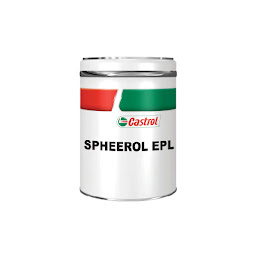
Lubricant Suppliers The debate between grease and oil has long been a topic of discussion in various industries, each offering distinct advantages depending on the application. Grease, a semi-solid lubricant, consists of a base oil thickened with a soap or other thickener. It provides excellent adhesion and remains in place better than oil, making it ideal for applications where parts are subjected to heavy loads or where there is a risk of water washout. Grease forms a protective layer that helps prevent corrosion and reduces friction and wear.   Oil, on the other hand, is a liquid lubricant that flows freely and penetrates into tight spaces. It offers excellent cooling properties and is preferred in high-speed applications where heat dissipation is important. Oil lubrication provides smoother operation and is commonly used in machinery with intricate parts that require precise lubrication. Choosing between grease and oil depends on factors such as operating conditions, temperatu...

Tool Steel Manufacturers in 2024 – A Focus on Hales

Image
  Tool Steel Suppliers Australia In 2024, tool steel manufacturers play a pivotal role in supporting industries reliant on precision engineering and manufacturing. Among these manufacturers, Hales stands out as a beacon of quality and innovation in the field of tool steels. Known for their commitment to excellence, Hales has carved a niche by consistently delivering high-performance materials that meet stringent industry standards. What sets Hales apart is their comprehensive range of tool steels tailored to diverse applications. From high-speed steels ideal for cutting tools to cold work steels for die and mould applications, Hales' products are engineered to withstand the rigours of modern manufacturing environments. Their dedication to research and development ensures that their offerings remain at the forefront of technological advancements, catering to evolving industry needs. Moreover, Hales excels in customer satisfaction through personalised service and technical expe...

Understanding the Variety of Lubricants

Image
  Lubrication Supplires Lubricants minimise friction, wear, and heat generation between moving parts, prolonging the service life of machinery and increasing its effectiveness. There are numerous options available, such oils for lubrication and greases. Lubricating oils are fluids designed to reduce friction between surfaces in motion. They come in different viscosities to suit various applications and operating conditions. From light machine oils to heavy-duty industrial lubricants, there's a lubricating oil for every need. These oils are often used to keep engines, transmissions, pumps, and other mechanical systems running smoothly. On the other hand, greases are semi-solid lubricants composed of a base oil thickened with a soap, such as lithium, calcium, or sodium. Greases are excellent for applications where oils may not stay in place or provide sufficient lubrication. They offer better adhesion to surfaces and can withstand higher loads and temperatures. Greases are common...

Understanding the Reliability of Grease Lubrication

Image
  Lubricating Oils and Greases Grease lubrication plays a vital role in the smooth functioning of machinery across various industries. Whether it's automotive, manufacturing, or heavy machinery, the reliability of grease lubricants is crucial for optimal performance and longevity. Grease lubrication involves the use of a semi-solid mixture of oil and a thickener, often supplemented with additives for specific applications. This mixture adheres to surfaces, providing a protective layer that reduces friction and wear. However, its reliability hinges on several factors. Choosing the right type of grease for the application. Different machinery and environments require specific formulations to perform optimally. This is where reliable lubricant suppliers and manufacturers come into play. Whether you are in Australia or elsewhere, having access to quality lubricants is essential. For those in Australia, accessing lubricants has become easier with the option to buy lubricants on...

Unveiling Abrasives: A Guide to Understanding and Application

Image
  In the world of manufacturing and industrial processes, abrasives play a pivotal role in shaping, finishing, and refining materials. From smoothing rough surfaces to polishing metals, abrasives are indispensable tools that contribute to the precision and quality of various products. At Hales , we understand the importance of abrasives in the manufacturing sector and are committed to providing high-quality abrasive products to meet the diverse needs of our clients. What are Abrasives? Abrasives are hard materials used for grinding, cutting, polishing, and sanding various surfaces. They are typically made from minerals such as aluminium oxide, silicon carbide, and diamond and come in various forms, including grinding wheels, sandpaper, abrasive discs, and belts. Abrasives are used across industries for tasks ranging from heavy material removal to delicate surface finishing. Understanding the Applications of Abrasives Abrasives find applications in a wide range of industrie...