Posts

Showing posts with the label #PlasticMouldingProducts

Understanding Molds and Tooling in Plastics Manufacturing

Image
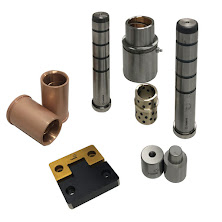
Ejector Pins For Molds Molds shape raw plastic into products used every day. They are the start point of the plastics manufacturing process. Plastic Moulding Products depend on the quality of the mould. A weak mould leads to poor quality parts. A strong mould creates reliable Injection Moulding Products. The role of tooling Tooling makes sure a mould performs as expected. Press Tooling Components hold the structure steady during production. They guide the process so that every part comes out with the right form. Without strong tooling the mould wears out and the finished parts lose accuracy. Key parts of a mould A mould is made up of more than one piece of steel. It has a base along with ejector pins and surfaces that need constant care. Ejector Pins for Molds push the finished item out once the cavity is filled. Mold Base Suppliers provide the frames that hold everything in place. Cutting & Polishing Tools shape the profile and also protect the surface so plastic can move smoothly...

Latest Developments in Plastic Injection Moulding

Image
Plastic Injection Moulding Plastic injection moulding continues to be a cornerstone of modern manufacturing, and staying updated with the latest advancements is essential for businesses. At Hales, we provide insights into the latest news and trends in plastic injection moulding, ensuring our customers have access to high-quality tools and supplies for their projects. Recent developments in plastic mould tooling supplies have introduced more efficient and durable solutions, making production smoother and more precise. Hales offers a wide range of plastic injection moulding tools, designed to meet the specific needs of industries such as automotive, consumer goods, and electronics. These tools deliver exceptional accuracy, helping businesses achieve consistent and high-quality results in their manufacturing processes. In addition to tooling advancements, the demand for cutting & polishing tools has grown significantly. Precision polishing plays a vital role in the final stages of m...

Innovations in Plastic Injection Moulding: Industry Updates

Image
Mould Base Plastic injection moulding continues to evolve, bringing new opportunities for businesses seeking durable and high-quality plastic moulding products. At Hales, we stay at the forefront of these advancements, ensuring our clients benefit from the latest techniques and trends in custom plastic moulding in Australia . From efficient production methods to innovative plastic tooling components, the industry is delivering enhanced precision and versatility. One key area of focus is the development of injection moulding products that meet both functional and aesthetic needs. Advances in plastic tooling components allow for faster production cycles and reduced waste, making the process more sustainable. This shift benefits industries across the board, from automotive to consumer goods, offering superior results with reduced environmental impact. Plastic Injection Moulding Hales proudly offers custom plastic moulding in Australia, catering to diverse industry requirements. Whether ...

The 5 Essential Elements of Injection Mould Maintenance

Image
  Plastic Tooling Components When it comes to injection mould maintenance, there are five key elements that you simply cannot overlook. These essential components form the foundation for a smooth-running operation and ensure the longevity and efficiency of your molds. So let's dive into the world of injectionmould maintenance and discover what it takes to keep your moulds in tip-top shape. Regular Cleaning Cleaning is the first line of defense in mould maintenance. Regularly remove any debris, residues, or contaminants from the mould surfaces. This not only prevents product defects but also extends the lifespan of your molds. Utilise proper cleaning agents and techniques recommended by the manufacturer to ensure effective and safe cleaning. Lubrication Proper lubrication is the key to reducing friction and wear within the mould. Apply lubricants to the appropriate areas of the mould, such as guide pins, ejector pins , and moving components. This minimises the risk of sti...